What Is a French Press and How Does It Work?
For coffee lovers who enjoy a rich, full-bodied cup without complicated equipment, the French press is one of the simplest brewing methods to explore. It uses a straightforward combination of coffee grounds, hot water, steeping time, and gentle pressing to produce flavorful coffee.
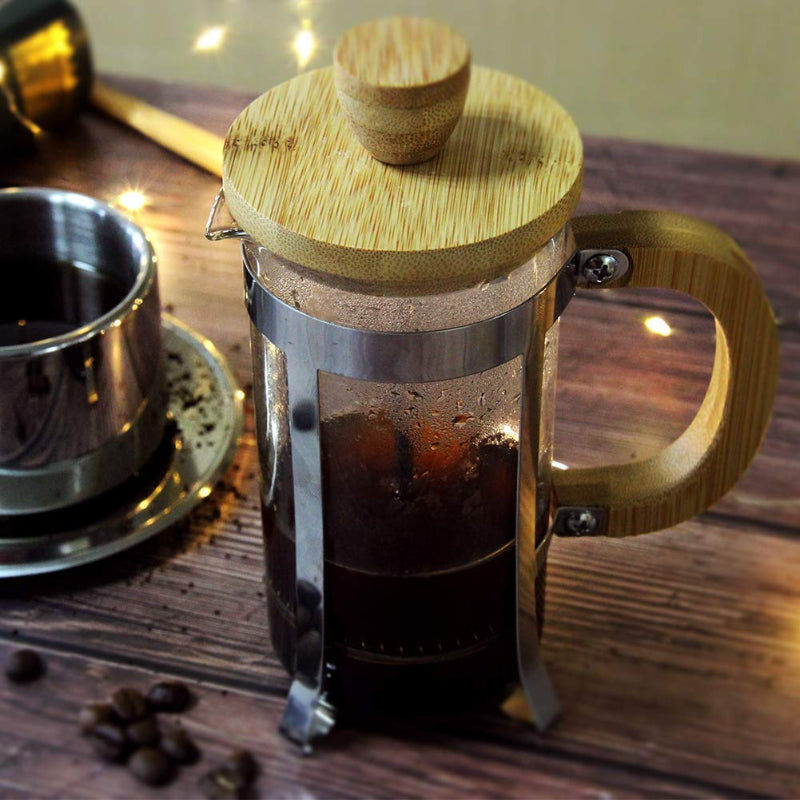
Unlike brewing methods that use paper filters, this method allows more of the coffee's natural oils and fine particles to remain in the final cup. Understanding how it works can help you get better results and choose the right brewing approach for your coffee preferences.
What Is a French Press?
A French press is a manual coffee brewing device consisting of a cylindrical container, a plunger, and a mesh filter. It does not require electricity, paper filters, or complicated settings, making it convenient for preparing coffee at home.
The brewing process is based on immersion. Coffee grounds are completely soaked in hot water and left to steep before the plunger is pressed down. The mesh filter then separates most of the grounds from the brewed coffee while allowing oils and some very fine particles to pass through.
This is one reason French press coffee often has a noticeably fuller body and stronger mouthfeel than coffee prepared using a paper-filtered method.
How Does a French Press Work?
The process is simple, but each stage affects the final taste.
1. Add Coarsely Ground Coffee
The first step is adding coffee grounds to the brewing chamber. A coarse grind is generally recommended because it works well with the mesh filter and reduces the likelihood of excessive sediment passing into the cup.
Using coffee that is ground too finely can also make plunging more difficult and may lead to a bitter or overly extracted brew.
2. Add Hot Water
Hot water is poured over the coffee grounds, making sure they are evenly saturated. Water temperature is important because excessively hot water can contribute to harsh flavors, while water that is not hot enough may result in under-extraction.
For better consistency, freshly heated water can be allowed to cool briefly before brewing.
3. Let the Coffee Steep
Once the water and coffee grounds are combined, they need time to interact. During this immersion stage, soluble compounds are extracted from the grounds and transferred into the water.
The steeping time influences the strength and flavor of the coffee. A longer brew can produce a stronger cup, but leaving the grounds immersed for too long may also contribute to unwanted bitterness.
4. Press the Plunger
After steeping, the plunger is pushed down slowly and steadily. The mesh filter moves through the brewed coffee, trapping most of the grounds at the bottom.
A gentle pressing motion is preferable to forcing the plunger downward. Once the grounds are separated, the coffee can be poured and enjoyed immediately.
Why Does French Press Coffee Taste Different?
One of the defining characteristics of French press coffee is its texture. Paper filters can remove a significant amount of coffee oils and fine particles, whereas the metal mesh filter used in a French press allows more of them to remain.
These oils contribute to aroma, body, and mouthfeel. The result is typically a rich, robust cup that can taste more substantial than coffee produced through some filtered brewing methods.
The type of coffee beans, grind size, water quality, brewing time, and coffee-to-water ratio also influence the final result. Small adjustments to these variables can noticeably change the taste.
What Kind of Coffee Works Best?
Coffee preference is ultimately personal, but freshly roasted beans with a suitable coarse grind are generally a good starting point. Medium and dark roasts can work particularly well for people who enjoy bold, rich flavors, while lighter roasts can offer more noticeable acidity and delicate flavor notes.
Freshly grinding beans immediately before brewing can also help preserve their aroma. Regardless of roast preference, consistent grind size is important because it promotes more even extraction.
Common Mistakes to Avoid
Even though the method is simple, a few mistakes can affect the final cup. Using finely ground coffee may create excessive sediment and make pressing harder. Over-steeping can produce a stronger, more bitter taste, while insufficient steeping may leave the coffee weak.
Another common mistake is pressing too aggressively. The goal is to separate the grounds rather than force them through the filter.
Water quality should not be overlooked either. Since coffee is primarily water, the quality and taste of the water can influence the finished brew.
Why Choose a French Press?
A French press offers an accessible way to prepare flavorful coffee without relying on electricity or complex machinery. It is easy to operate, requires relatively little equipment, and gives the brewer control over grind size, water, steeping time, and strength.
It can also be useful when preparing multiple servings at once, making it suitable for relaxed mornings, work breaks, or serving coffee to guests.
For anyone looking to understand manual coffee brewing, a French press provides a simple starting point while still offering plenty of room to experiment. Once you understand how immersion, extraction, and filtration work together, you can adjust the brewing process to create a cup that matches your preferred strength and flavor.
For a simple, flavorful coffee routine, explore thoughtfully designed coffee essentials from Cutting EDGE, your destination for Modern Home & Kitchen Essentials.


Comments